Parents who skip candy, sugary drinks and high sugar content often wonder why their kids are still seeing new cavities and stains on the back molars, or that chalky white line near the gumline. Here’s the part that surprises most families. Sugar matters, but it is not the only culprit.
In real life, the bigger issue is usually how often teeth come in contact with acidic foods, fermentable carbs, and how long those foods linger on the teeth. That is why, as dentists in Harrisburg, we talk about patterns of cleanliness and diet just as much as we talk about sugary treats.
The Small Habits That Add Up
Every time your child eats or drinks something that is acidic, or contains sugar or starch, oral bacteria grows and acid develops. If that exposure occurs repeatedly uninterrupted by brushing, the enamel weakens, tiny pores open, and a cavity can take hold.
The snack frequency trap
A kid who has one cookie after dinner may do less damage than a kid who grazes on crackers, pretzels, or granola bites all afternoon. It feels healthier because it is not candy, but those starches break down into sugars and keep the acid cycle going. The American Academy of Pediatric Dentistry calls frequent between-meal exposure to starch and acidic foods a high-risk pattern for cavities.
The question becomes, is it the food itself or the schedule? Usually, it is both. When snacking is frequent, food stays on the teeth, regardless of the type of food, they are susceptible to bacteria growth.
Hidden causes of tooth decay in kids’ diet
Now let’s talk about the foods that look harmless on the label or are marketed as “better for you,” yet are still tough on kid’s enamel.
- Juice, smoothies, and dried fruit. Even 100 percent juice can be a double hit: sugar plus acid. Smoothies can be worse because they stick to the teeth longer, especially when kids sip them slowly. Dried fruit behaves like gummy candy in the way it clings to grooves and between teeth.
- Sports drinks and flavored waters. If your child is active, you have probably seen the bright bottles in the field. The problem is not just sugar. Many sports drinks are acidic, and acid softens enamel, making it easier for wear and decay to follow.
- Crackers, chips, and “puffs”. These are the classic surprise foods in a pediatric dentist Harrisburg, NC conversation. They pack into the chewing surfaces of molars like wet cement, and kids rarely rinse or brush afterward. If they snack while doing homework or riding in the car, that residue sits there longer.
- Sticky vitamins and cough syrups. Gummies are not just candy. Some gummy vitamins and children’s medicines are sticky and sweetened, and parents often give them right before bed. If that is happening without brushing, it is an easy way to start a pattern of nightly enamel stress.
What to do without turning meals into a battle?
Perfection is not the goal. If you want a practical win, aim for less snacking, more brushing and rinsing in-between snacks and meals. Encourage water sipping after snacks, especially after anything sticky or acidic. This small habit helps clear the mouth, and it supports the routines public health experts recommend for kids’ oral health.
A Dentist’s Perspective For Harrisburg families
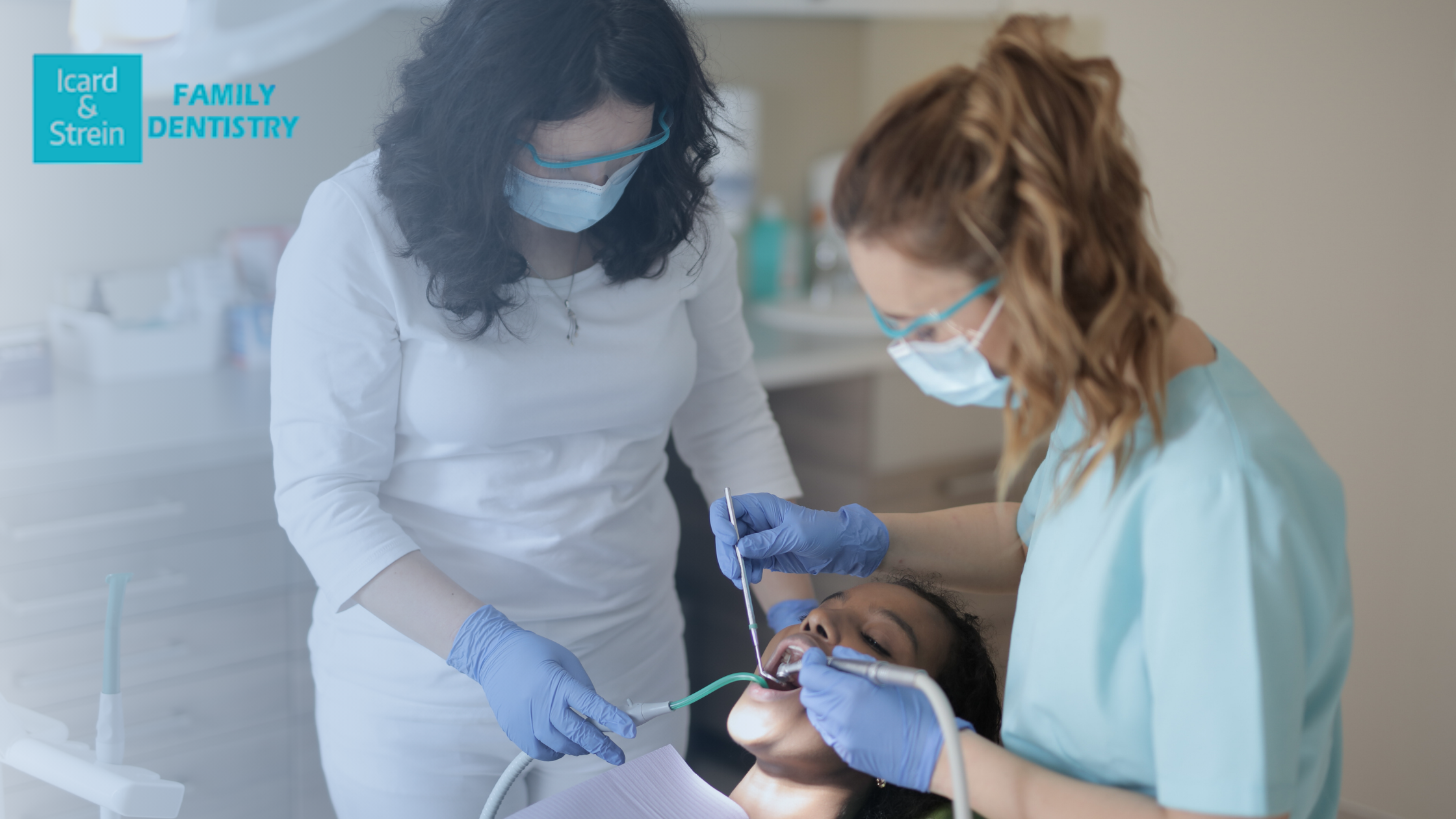
Icard & Strein Family Dentistry works with families who are doing their best, and honestly, most parents are. Cavities are common, and they are also preventable when you spot the hidden triggers early. If you want help tailoring snack choices to your child’s risk level, or you are concerned about sensitivity, staining, or frequent decay, schedule a visit with our team. We will look at the whole picture and make it manageable.